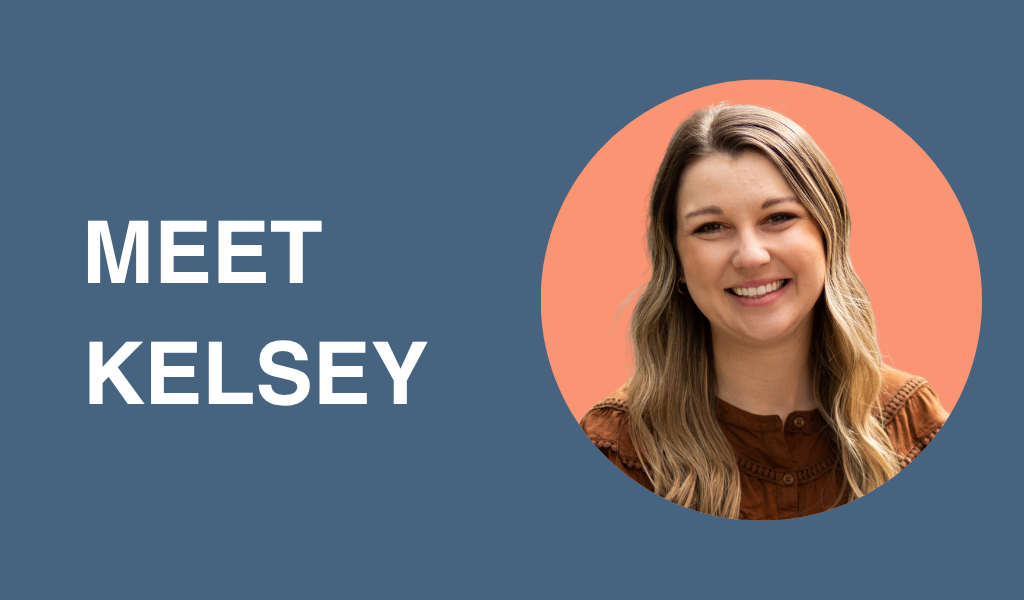
Staff Highlight: Kelsey Briggs
How long have you been with Seneca?
5 years total; 1 year as a clinical intern and 4 years as a full time clinician.
How/why did you start working at Seneca?
I started as a clinical intern and was excited for the opportunity to gain experience working with kids and families, and to develop training and skills utilizing trauma- and attachment-focused modalities.
What is your title at Seneca & what does your role entail?
I am a Mental Health Clinician. I provide individual and family therapy to children and adolescents who have experienced trauma and attachment loss. I work with parents to support them in strengthening their parenting skills, especially with trauma- and attachment informed tools. I also coordinate with other providers to ensure the best care possible for my clients.
What is your favorite part about working at Seneca?
Supporting kids and families through some of the toughest chapters in their lives. It really is an honor I’m so grateful for to be able to sit with my clients and meet them exactly where they are at.
Is there an impactful or favorite memory you’d like to share from your time at Seneca?
I have a 10-year-old client who recently told me that when she first met me 2 years ago, she was so nervous she felt like she wanted to hide under the table. Now, after working together, she was able to reflect on how much she loves coming to Seneca each week for therapy and how she is able to completely be herself in session with me. It really touched me that she wanted to share how much she appreciates the safe space we created for her, and the progress she has made throughout treatment is another testament to how important safety and trust are with this population especially.
Why should donors support Seneca?
Specialty mental health services are a challenge for many families to access, and Seneca really strives to provide care to children and families when they need it most. A large portion of the clients we work with are in foster care or adoptive families, and the ability to find stability and safety within a therapeutic environment allows them to understand their true value and worth. Not only are we providing critical care to kids to support them through traumatic experiences, but we are also providing preventative care to ensure they have mental health support as they grow up and are able to feel confident to access and utilize therapy again when they are adults.
What do you wish more people understood about mental health?
Mental health, especially trauma responses and attachment wounds, shows up in so many ways for kids; it could be aggression, defiance, or “big behaviors,” or it could be a more withdrawn, sullen, avoidant presentation. Regardless of how kids show their feelings, they all deserve to have those emotions seen, validated, and valued, and to have someone on their side to help them through.