The Vital Role of Representation in Children’s Literature
By Daniel Perez, Director of School Partnerships
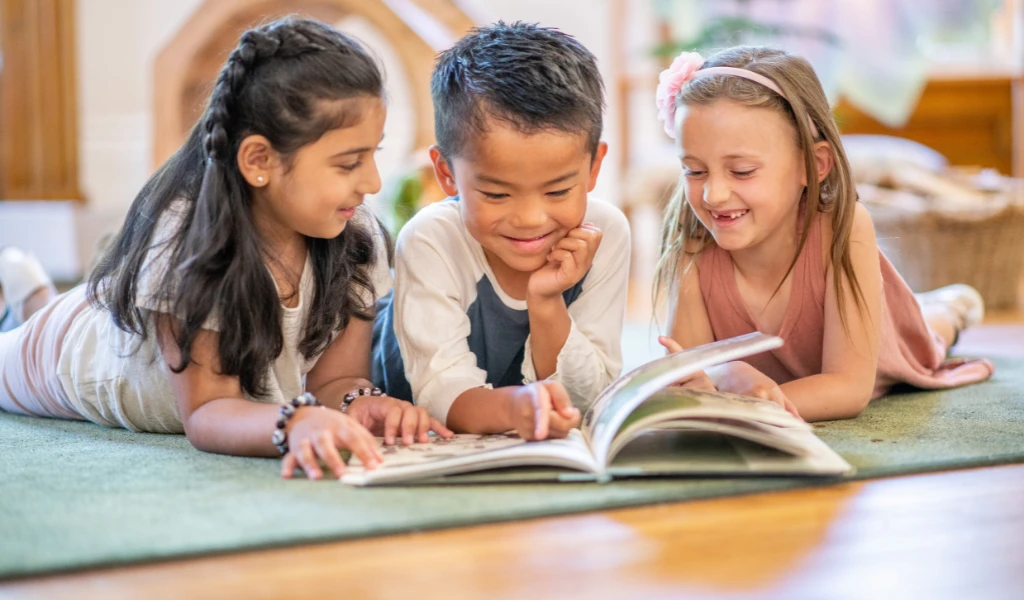
Children’s literature has become a personal matter over the past few years and serves as a window to the world, shaping young minds and fostering empathy, understanding, and a sense of identity. In today’s diverse society, the importance of representation in children’s literature cannot be overstated. When children see characters who look like them, come from similar backgrounds, or face comparable challenges, they feel seen, validated, and empowered.
Reflecting Diversity
One of the main reasons representation in children’s literature is crucial is because it reflects the diverse world we live in. Children come from various cultural, ethnic, and socio-economic backgrounds, and they deserve to see themselves represented in the books they read. When children encounter characters who share their heritage or experiences, it validates their identities and fosters a sense of pride in their cultural heritage.
Exposure to diverse characters helps children develop empathy and understanding towards people who are different from them. By reading about characters from different backgrounds, children learn to appreciate and respect diversity, which is essential in promoting inclusivity and combating prejudice.
Building Empathy and Understanding
Children’s literature has the power to transport readers into others’ lives, fostering empathy and understanding. When children encounter characters facing challenges or situations different from their own, it broadens their perspective and helps them develop empathy. For instance, a child reading about a character with a disability may gain a better understanding of the challenges people with disabilities face and develop empathy towards them.
Moreover, representation in children’s literature can help break down stereotypes and misconceptions. By portraying diverse characters in multifaceted roles, authors challenge stereotypes and show that people are more than just a single narrative. This, in turn, encourages children to question societal norms and embrace individuals for who they are rather than predefined stereotypes.
Fostering a Sense of Identity and Belonging
For children belonging to marginalized communities, seeing characters who share their identities and experiences can be transformative. Representation in children’s literature helps validate their experiences and fosters a sense of belonging. When children see characters who look like them achieving great things, it instills a sense of possibility and reinforces their belief in their own capabilities.
Representation can empower children to proudly embrace their identities and resist societal pressures to conform. By seeing diverse role models in literature, children are encouraged to celebrate their uniqueness and pursue their dreams, regardless of societal expectations.
Final Thoughts
Representation in children’s literature is essential for fostering empathy, understanding, and a sense of identity among young readers. By reflecting the diverse world we live in and providing children with characters they can relate to, children’s literature plays a crucial role in shaping their worldview and promoting inclusivity.
As community providers, educators, and parents and/or caregivers, it is our responsibility to ensure that children have access to literature that celebrates diversity and empowers them to fully embrace their identities. By doing so, we can create a more inclusive society where every child feels valued and represented.
I encourage you to visit your local library, add a book to a Little Free Library, or read a children’s book yourself — they’re fun, I promise!