Utilizing Slime in the Therapeutic Space
By Mosaic/Pathways Outpatient Team
“We don’t stop playing because we grow old, we grow old because we stop playing.” –George Bernard Shaw
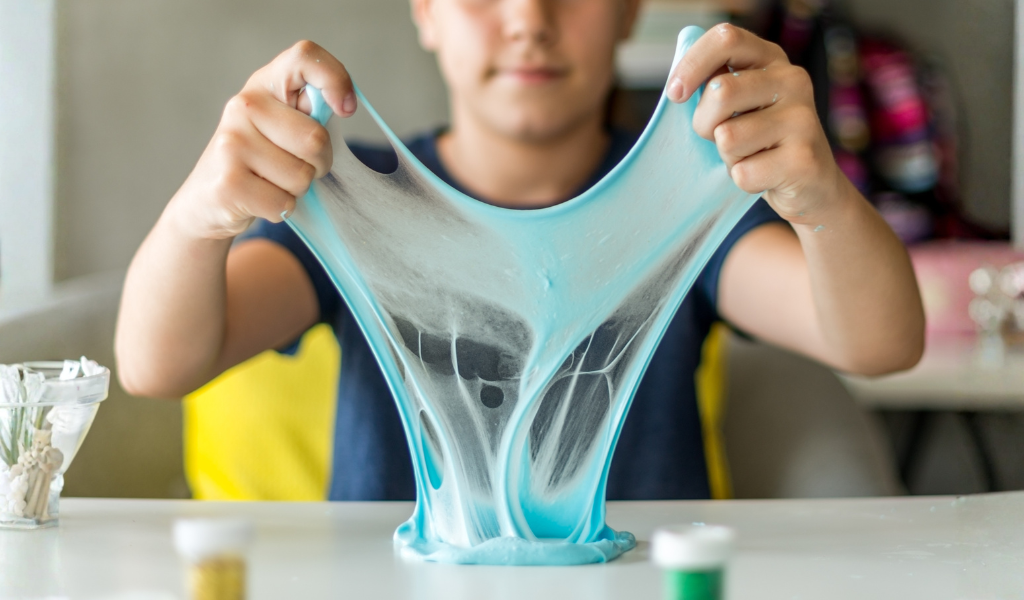
Slime can be described as a malleable, mixture of household items that come together to form a polymer substance (common synthetic polymers are rubber, plastic, and nylon + common natural polymers are starch, DNA, and some proteins) ranging in consistency, and solidity depending on ingredients used, pressure applied and speed it’s stretched or pulled. According to NeuroLaunch, the origins of slime therapy can be traced back to the broader field of sensory integration therapy, which can be traced back to the 1960s. Specific use of slime as a therapeutic tool gained traction in the mid 2010’s, coinciding with the viral popularity of slime-making videos on social media platforms.
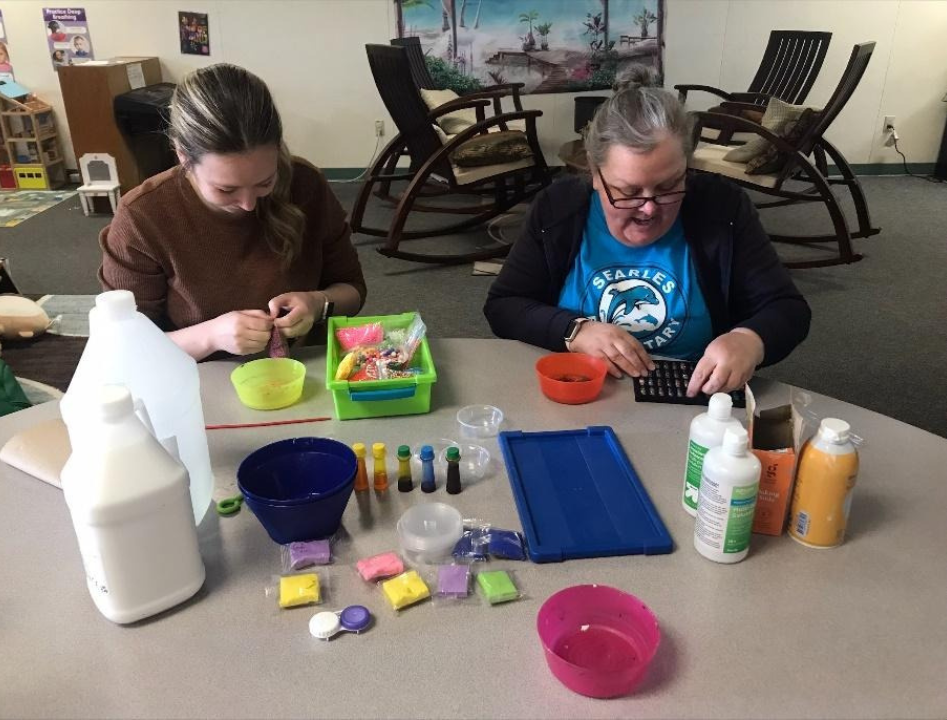
Slime Mental Health Key Benefits:
- Reduced Stress & Anxiety: Playing with slime is a fully tactile, multisensory experience that decreases stress cortisol levels and increases feel-good neurotransmitters like serotonin and dopamine.
- Cortisol Reduction: Cortisol is the body’s primary stress hormone. Playing with slime and experiencing the benefits can lower cortisol levels in the body.
- Neurotransmitter Boost: Activities that promote relaxation and mindfulness increase serotonin and dopamine, chemicals in the brain associated with happiness and well-being.
- Improved Focus & Concentration: Slime is ever changing in shape and consistency which often calls for focused attention during play.
- Grounding & Mindfulness: The multisensory input involved in playing with slime brings awareness to sensations in the present moment and helps with disrupting intrusive focus on the past (depression) or the future (anxiety).
- Emotional Regulation: Slime can serve as a metaphor for emotions and can provide a tangible outlet for expressing and processing feelings.
- Problem-solving Skills: Slime has scientific components that require creative and problem-solving skills when considering adding or subtracting ingredients to reach desired consistency of slime.
- Cognitive Engagement: Unpredictability, textures and behaviors of slime keep the brain alert and cognitively flexible.
- Fine & Gross Motor Skills: The ways in which slime can be stretched, pulled, squeezed, ripped allow for a wide range of motion and motor skills, which can be aid in conversations about personal and shared space.
- Increased Connection: When slime is made and played while with others, it can create a bonding experience and increased connectedness.
- Autonomy & Sense Of Control: Getting to decide on ingredients, colors, textures, scents increases sense of control and autonomy.
Who It Helps… Everyone! But, More Specifically:
- People with ADHD, autism, or sensory processing challenges.
- Those seeking to increase space perception, practicing fine and gross motor skills.
- Those dealing with stress or emotional expression challenges.
- People with Depression, PTSD, Anxiety, CPTSD, Emotion dysregulation challenges.
- Seniors needing gentle hand exercises and cognitive stimulation.
- Trauma survivors seeking to gain autonomy and a sense of control over outcomes of events in their life as well as core beliefs or internal working models.
- Adults seeking to want to reconnect with their inner child or incorporate play into their lives.
Therapeutic slime ideas:
- 5-4-3-2-1 Technique: Slime can be part of this grounding method—e.g., “Touch the slime and describe 5 things you feel, see, smell, hear.” (no taste sense, unless using safe, edible ingredients)
- Emotion Matching: Kids can choose or mix slime colors to match their mood, helping them externalize and name feelings.
- Safe Outlet: Squeezing or stretching slime can be a physical release for big emotions like anger or frustration.
- Anchor Object: Keeping a small container of slime nearby can serve as a grounding object during stressful moments.
- Sensory Focus: Kids can concentrate on the texture, color, and smell of the slime, which helps anchor their attention.
- Tactile Meditation: Using slime as a fidget tool during meditation or journaling can help reduce racing thoughts.
- Stress Relief: The repetitive motion of kneading or stretching slime can be soothing and meditative.
- Creative Flow: Making or customizing slime (adding glitter, scents, or textures) can be a mindful, creative ritual.
- Sensory Reset (DBT): The cool, squishy texture can interrupt spiraling thoughts and bring attention back to the body.
- Verbalizing feelings: In therapy, slime can be used to explore metaphors (e.g., “How does this slime represent how you feel today?”).
- Progressive Muscle Relaxation: Intentionally compounding and then stretching or pulling slime can serve to practice PMR to relieve stress and help calm the nervous system down before bed.
- Breathing Practice: Pairing slime play with deep breathing (e.g., squeeze while inhaling, stretch while exhaling) reinforces calm.
- Descriptive Play: Asking kids to describe how the slime feels, looks, or moves encourages mindful observation.
How To Make Slime:
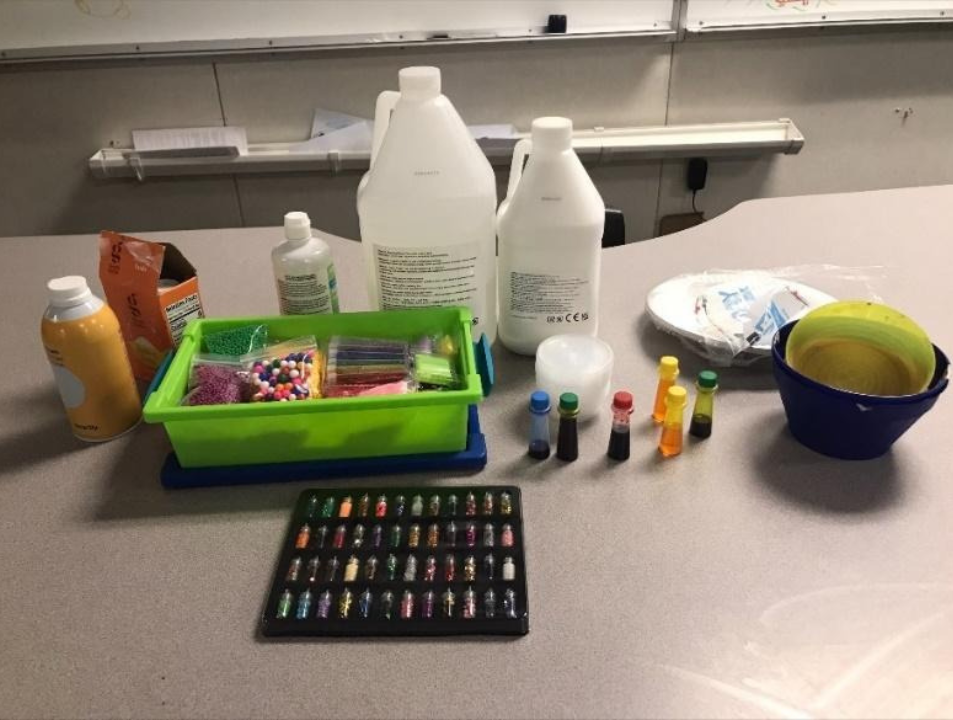
- Play with measurements and mix white/clear school glue + a little baking soda.
- Add food coloring!
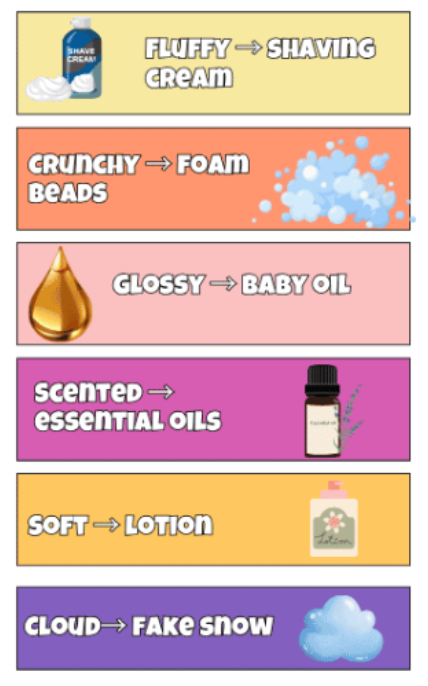
- Optional: Glitter, pom pom balls, charms, sequins, aromatherapy scents, or foam beads.
- Then add contact lens solution and watch as the mixture transforms into slime, a process that illustrates the concept of polymers.
- Alternate between contact lens solution and glue to reach desired consistency.
- Optional: Add-in lotion, shaving cream, baby oil, or fake snow for different textures.
Have a great time making slime!