How James Baldwin Academy (JBA) is Supporting Students Beyond the Classroom
By Darius Griffin
Sometimes the most meaningful changes start with a simple question: What do our students and families need right now? Leaders at James Baldwin Academy (JBA), one of Seneca’s Nonpublic Schools, thought to ask this question during one of the most demanding and uncertain times of the year. “This was really about filling the gaps and supporting families during challenging times,” explained Assistant Regional Director Janessa Simms. This mindset is what transformed a short-term seasonal effort into a lasting resource, reshaping how the school supports students and families beyond the classroom.
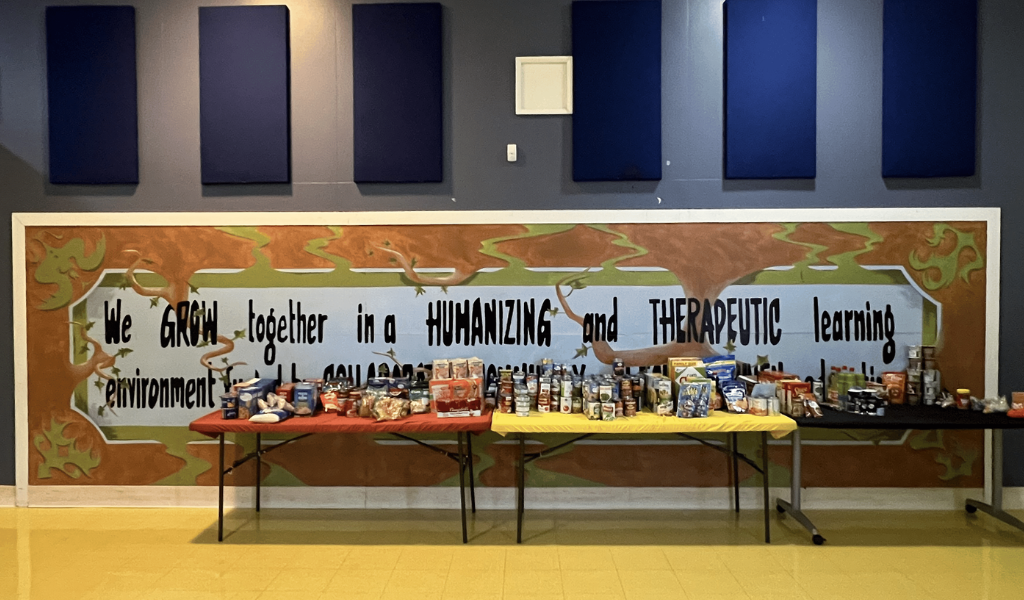
With the holidays fast approaching, students, staff, and families at JBA were invited to donate food items as part of a seasonal food drive. “We just saw a need for our students” Janessa shared, “Especially heading into the winter months where there are longer breaks and families have to come up with additional resources in the home to support their children.” At the time, many families were navigating concerns about whether food assistance programs like SNAP would continue, adding another layer of stress to an already difficult season.
RELATED | Find SNAP resources near you
The drive turned into a friendly competition between classrooms, and with lunch on the line, students really showed their generosity. They didn’t just donate what they could from home—also choosing to contribute their earned bonus points, which will then be used to purchase additional food for families in need. “The students really got into it,” Janessa explained. “They brought in food items, donated their points, and genuinely wanted to help.” The energy around the drive reflected something deeper than participation; it showed just how aware the kids were of what their peers were facing outside of the classroom. As donations continued to pour in, staff began to realize that this idea was meeting a real and ongoing need within the JBA community.
There was also just so much food! Shelves became filled with non-perishable cans, bags of rice and beans piled up, and it was clear that the need for support extended beyond a single season. So, staff began asking an important follow-up question: what happens when the drive ends, but the need doesn’t? So, after the drive ended, the winning classroom claimed their lunches, and families came by to stock up on donated items, a new idea began to take shape on campus—one rooted in sustainability rather than short-term relief.
Instead of distributing the remaining donations all at once, the team made an intentional decision to turn them into a permanent on-campus food pantry. This pantry now serves the JBA community and is a consistent resource for students and families throughout the school year. Students can be sent home with grocery bags tailored to their needs, or families can access the pantry directly, receiving guidance from therapists or classroom staff who help coordinate what will be most helpful.
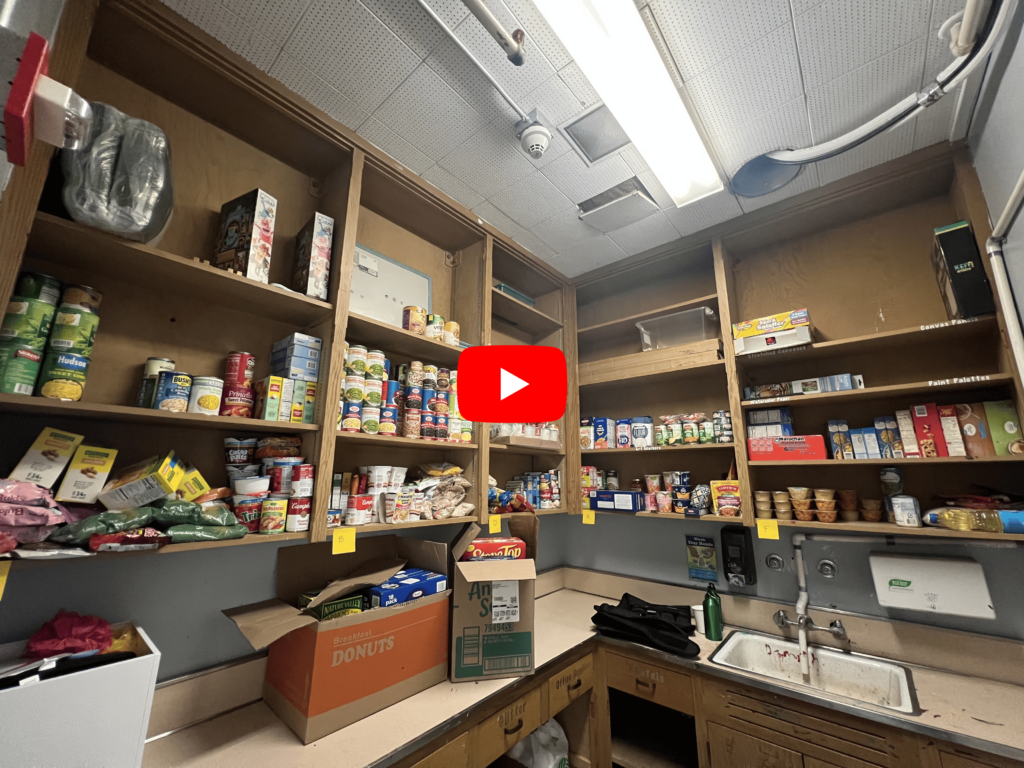
“It’s a sensitive subject. So, we work closely with our therapists and classroom staff, who already have those strong relationships with families, to offer support in a way that feels safe. They can make a to-go bag for the week, or whatever the family needs. It’s about meeting them where they are.” Janessa adds.
For JBA, the food pantry represents more than just food access. It’s a reflection of the school’s commitment to whole-child care and family support. Learning is never separated from the realities students face outside of school, and food security plays a crucial role in a young person’s ability to engage in both academic and therapeutic work. “For any student to be successful, they need to have their basic human needs met first. So, making sure that they have food at home and then healthy and nutritious foods here at school, that’s a huge priority.” Janessa explained. “We have to meet that goal before we can really get them in the classroom and get them engaged in schoolwork. We have to meet those human needs first.”
By asking that first question, a simple but powerful answer was found: support doesn’t stop when you leave the classroom. At its core, JBA’s food pantry represents Unconditional Care in action. It acknowledges that students don’t arrive at school just as learners—but as real people shaped by their environments, families, and circumstances. By prioritizing food security, JBA is helping ensure that food access is not treated as an extra or a short-term solution, but as an essential part of caring for the whole child. To learn more about Seneca’s Nonpublic Schools and the ways they support students and families through holistic, healing-centered care, visit our Nonpublic Schools page.