Staff Highlight: Alexis Nava Valladares
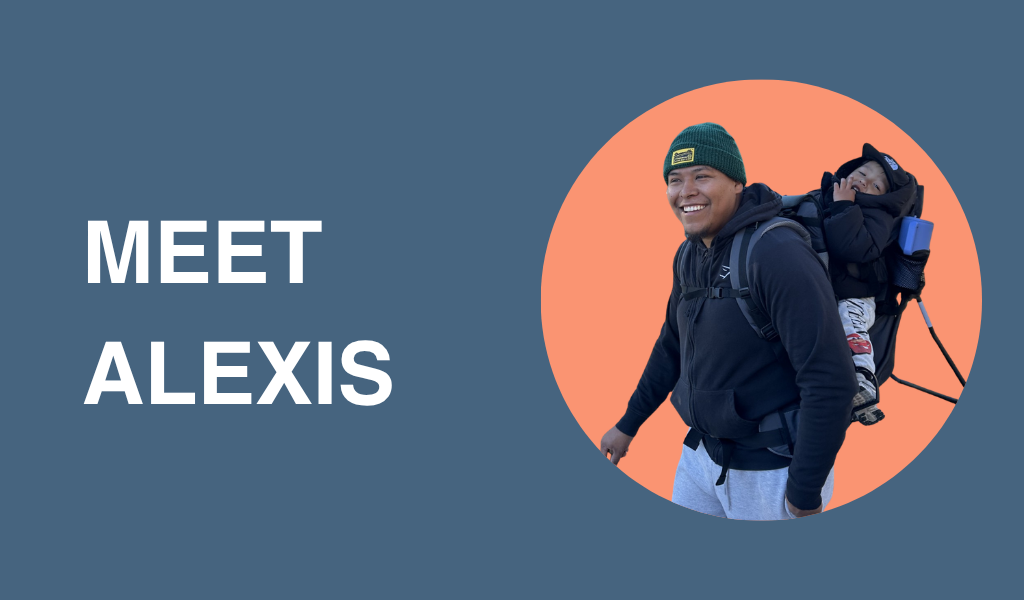
How long have you been with Seneca?
I have been with Seneca for 5 years.
How/why did you start working at Seneca?
My senior year of high school was very challenging and with the support of my counselor, who showed up for me unconditionally, I was able to shift my perspective on what I could achieve. My family was unaware of services like the ones Seneca provides, but thankfully the school I attended brought in college counselors to support students in adverse communities. My college counselor was not pushing me to go to college, rather she showed up without judgment, and explored barriers/fears I had as a member of a mixed-status family applying to colleges. Through my interactions with this counselor I realized I wanted to become like her, give hope and guidance to youth who may be struggling like I once did. During my last quarter at UC Santa Barbara, I stumbled upon a job opening for Seneca and realized they held a lot of values that made me feel connected to my high school counselor. Seneca highlighted showing up for their clients unconditionally, providing hope and courage, and lastly bringing joy to the families they service. Those values are the reason why I started working here and seeing them continue to be present in the work I do is why I enjoy my time here.
Can you tell me a little about the positions you held before your current one?
Before becoming the Lead Behavioral Interventionist, I was supporting the on-call Family Urgent Response System (FURS). The FURS program was meant to support current and former foster youth who were navigating crisis behaviors and needed in-person support. I became a FURS responder to feel more comfortable navigating these behaviors, as I often felt anxious when I observed youth engage in behaviors like property destruction, elopement, self-harm, and harm to others. However, after providing support to youth, I realized how their responses were usually a result of fear, disconnection to caregivers, or feeling rejected by their biological families. I began to value the limited time I had with the youth because it meant I could disconfirm their internal working model of “not feeling worthy of being cared for”. Due to the limited interactions, we had with the youth and caregivers; FURS responders would provide referrals to longer term mental health services. We utilized the Subjective Units of Distress Scale to identify whether the youth and their caregiver were able to deescalate after the support we provided. Lastly, we would develop a safety plan that both youth and caregiver felt comfortable committing to.
What is your position now and what does it entail?
I am the Lead Behavioral Interventionist, and my role is a combination of navigating leadership spaces as well as providing direct care to families. As the Lead, I collaborate with the leadership team in assessing the current systems we have to better support the families we service. I also support facilitating group spaces and bolster team morale by bridging the gap between direct care staff and the supervisor team. The other part of my role is providing support to families navigating challenges that impact our clients’ ability to access their education. Collaboration is a vital part of the work we do; therefore, we have weekly consultations with internal team members and often meet with school team members to further support the youth we service. Our program provides a unique method to servicing families as we support the entire family (not only the client), meet the families where they are, and approach families from a trauma informed lens. Based on the need of the program, at times I may hold more clients, supporting more with direct care and other moments I may assist more with leadership duties (i.e. approving mental health notes, providing office hours, and facilitating group supervision).
RELATED | Anthony Ochoa Middle School Named 2026 “California School to Watch”
What is your favorite part about working at Seneca?
There are a lot of things I enjoy at Seneca like the coworkers and work-life balance, but my favorite thing is knowing I am making a positive impact in someone’s life. Being able to see the growth in terms of increased school attendance, improved family dynamics, and proactive usage of coping skills by clients brings me a lot of joy. It is a full circle moment for me every time a family shares how supportive our program has been to them. My hope is that someone I provide services can repeat the cycle, “cause if you leave the world a better place than it was when you got here, then we all win”.
Is there an impactful or favorite memory you’d like to share from your time at Seneca?
One of the most impactful memories I have had during my time at Seneca was when I was on call for FURS. I received a call on New Years, and I remember the home visit significantly escalated to the point that the caregivers did not want the youth in the home. Through the usage of multiple interventions, we were able to deescalate the situation but observing the youth in distress gave me a different perspective on life. The moment I got the call I was disappointed I had to leave my family, yet this young child was being told they were no longer welcomed in their caregiver’s home. Seeing the client go from hiding in the closet to avoid us, then sharing about her challenges with me and aspirations to become a counselor was very meaningful. It reminded me of the reason I do this work and how the services we provide are immensely needed. If FURS was not a program the caregiver accessed and if they decided to use the Crisis Assessment Team, then the youth may have been removed from the home. Thankfully, our support was enough to stabilize the situation and we were able to keep a kid in the home that night.
Why should donors support Seneca?
Seneca is an agency that really cares about the people they service and the people they employ. The donations provided will support programs that make a positive impact on people’s lives. Every dollar donated is appreciated, as it continues to allow us to service families in a variety of ways (i.e. funding Seneca’s nonpublic schools, placement programs, case management for families separated, crisis stabilization programs, and many others).
What do you wish more people understood about mental health?
Avoiding the topic of mental health with kids does not mean their problems will disappear. On the contrary, I believe the lack of conversation in our communities, schools, and families increases the challenges of mental health. I reflect on my early adolescence and realize the constant sadness I felt was not normal, rather a sign of depression. However, mental health was not talked about in my family, so I navigated these feelings alone. If I was fortunate to have someone talk to me about mental health and assist me with developing healthy coping skills, I may not have struggled as much during my senior year of high school. Now that I work with young people, I see the same trend of families not speaking about mental health or rejecting the idea that their child is struggling with this. I also have clients who are afraid of their classmates finding out about their struggles with mental health. If we begin to have more conversations about mental health with our families, then we will have more youth who are willing to accept help without the fear of feeling judged by classmates or family members. According to the National Institute of Mental Health, 40% of US high school students reported persistent sadness or hopelessness. Therefore, it is important that we speak with our kids about mental health and remind them that they do not have to navigate their internal challenges alone.
Anything else you’d like to share?
I just want to share my appreciation to everyone who provides direct care, the work you do matters!